
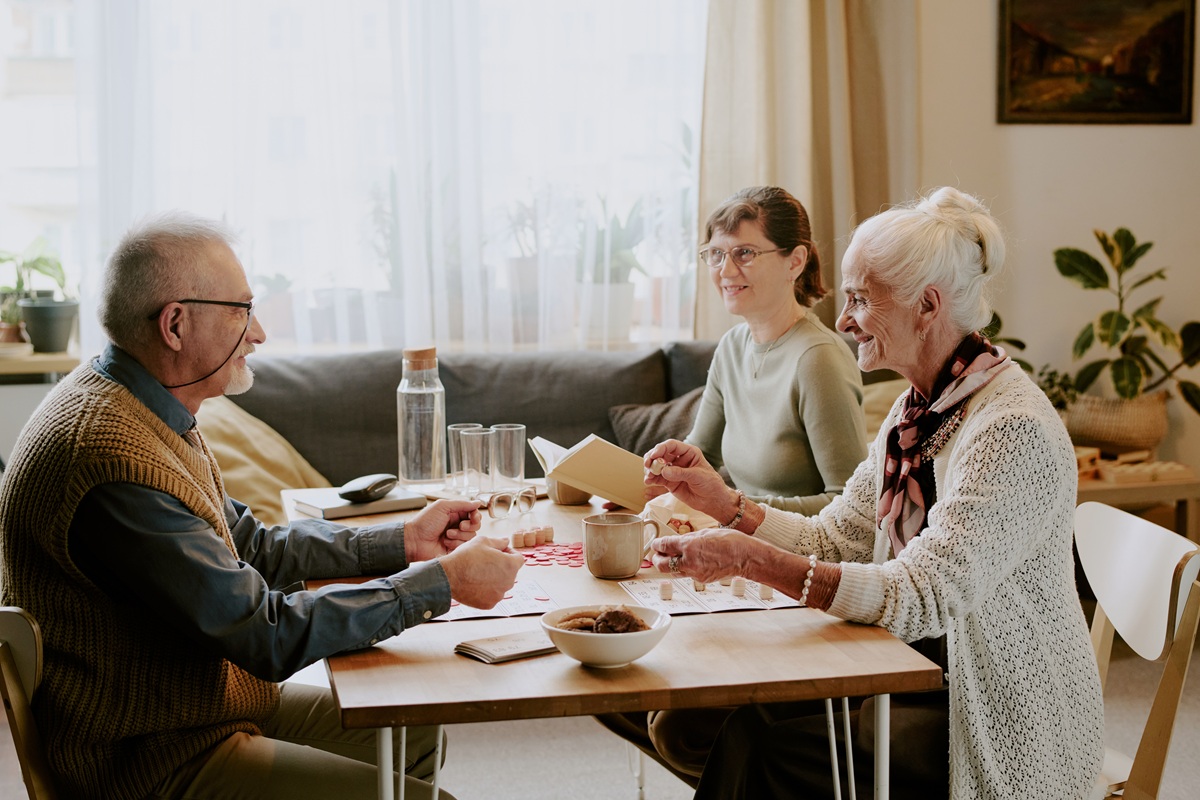
At Vista at Simi Valley, we recognize that moving to assisted living is a time for new beginnings for seniors. For them, it’s a phase of renewal, a significant life change. While it brings relief, it can also feel overwhelming for the family. They play a vital role in determining how successful their loved one’s transition is. Family support is crucial for a successful transition to assisted living, as it helps reduce relocation stress, anxiety, and feelings of abandonment in the loved one. Their kind support empowers their loved one to take the next step with confidence in this new chapter of life. Let’s learn more about the role of family in supporting their aging loved one as they move to assisted living.
Emotional Reassurance And Validation
Understandably, moving to an assisted living community may feel daunting to many seniors. They fear that letting go of their present routines could affect their quality of life. This leaves them feeling uncertain and may trigger feelings of loss, even though they haven’t actually lost anything. Their family plays a meaningful role during this transitional stage, helping them stay calm and relax before making the transition. They give their loved one reassurance about their new home, explaining that the move is meant to enhance their quality of life. Family members reassure their loved ones about their independence. They listen to their concerns and validate their feelings. They acknowledge their fears and offer reassurance about maintaining contact after the transition.
Creating A Familiar Environment
For many seniors, aging in place is one of their most important aspirations. However, due to their evolving health, they start needing a specialized living environment, which they get at an assisted living community. However, despite the availability of the required support, it still lacks the familiarity and routine that the senior had at home. The family plays a vital role in this, too. They work towards personalizing their loved one’s living space. They understand that the way their living environment looks and functions goes a long way in deciding their quality of life. To personalize their new space and make it familiar, they use familiar furniture, photos, cherished items, and mementos. All this helps the resident feel at home while embracing a sense of continuity.
Active Participation In Social Life
As social beings, older adults often yearn for social connections. As they get older, they lose their old connections for various reasons. However, this does not mean this need disappears. To support seniors’ socialization, assisted living communities offer a variety of social activities. They have community events, group outings, social gatherings, and much more. All these activities and measures are there to help residents connect with peers and embrace the community lifestyle. Yet many seniors struggle to participate in social activities, for which their families again play a significant role. During the early days of the transition, the family helps their loved one connect with others in the community. They help their loved one become a part of the community known for fostering a sense of togetherness.
Maintaining Routines And Connection
For seniors, letting go of long-held routines and connections may feel like losing a part of their identity. What they seek is continuation, even when their living environment has changed. While assisted living supports seniors in taking on and adapting to their new lifestyle, seniors may not necessarily take to these new routines as easily. To ensure residents have access to the care and support they need and to build new relationships and routines, residents’ families play their part. They assist caregivers in creating a predictable daily structure with regular mealtimes, exercise, and social activities for their loved one. Additionally, they maintain regular contact with their loved ones through phone/video calls and letters. Being supported by the community and family alike reinforces a sense of stability, independence, and belonging, which are crucial for seniors to thrive.
Open Communication And Collaboration
During the transitioning stage, the family serves as a liaison between their loved one and the community. They foster open communication and collaboration between their loved ones and the community staff. They share essential information with community staff about the senior’s current health status, past medical history, and lifestyle preferences. This transparent communication forms the basis for the staff to prepare personalized care plans for the senior. Seniors, on the other hand, also feel safer and more comfortable, knowing that they will be well cared for by professionals. Feeling heard reduces loneliness and anxiety and enhances their happiness, ultimately improving quality of life.
Vista at Simi Valley Assisted Living That Supports Family Participation
At Vista at Simi Valley, we understand the pivotal role that a family plays in the successful transition of their loved one to an assisted living community. They not only lend a helping hand during the move but also provide the emotional and mental strength needed to start and complete a successful move. They help ease the feeling of overwhelm, which is common for both the moving senior and the family.
Families provide a sense of comfort and security while helping the loved one foster new connections in the community they are moving to. From planning and advancing the move to ensuring a successful transition, the family plays a key role. Family members help the senior maintain a sense of purpose and identity, too. Their offered support helps the loved one begin their new life chapter joyfully.
For those seeking a trusted assisted living option for their aging loved one’s evolving health needs, contact us at Vista at Simi Valley. Our community offers a welcoming, thriving environment that makes residents feel at home. With dedicated on-site staff available round the clock, residents lead a maintenance-free life. We support lifelong learning and continuous development, allowing residents to spend their valuable time on what matters to them.