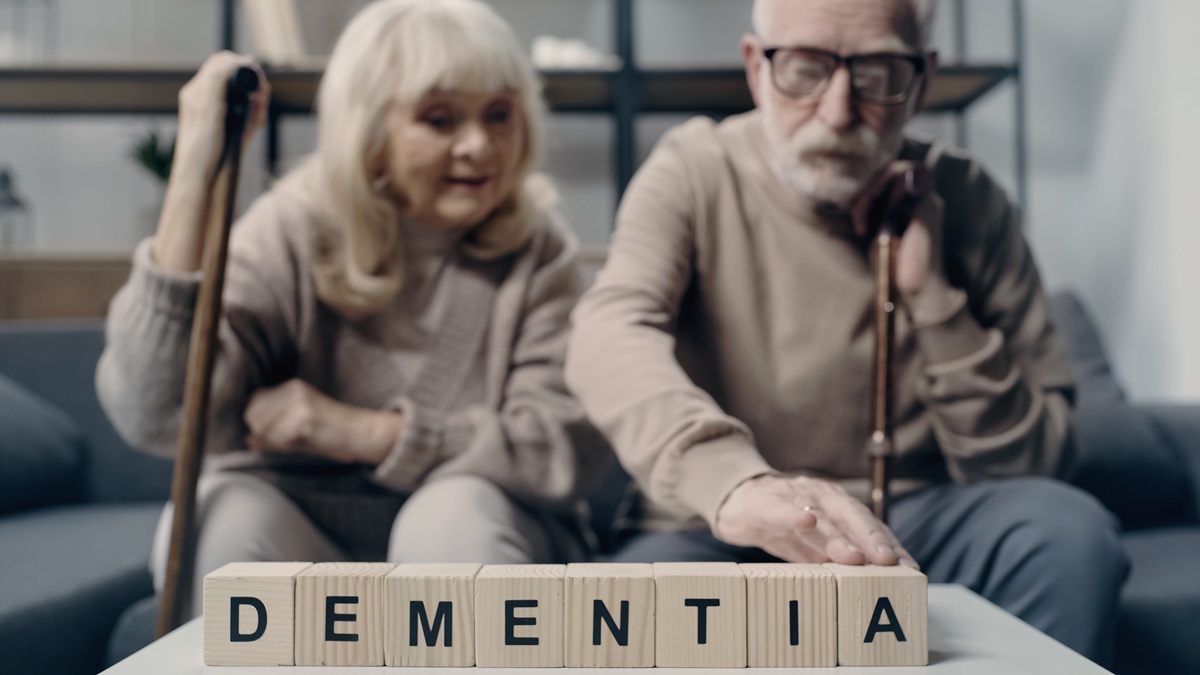

If your loved one is dealing with memory issues such as Alzheimer’s or another form of dementia, it may be challenging for them to hold a conversation and communicate clearly. As a caregiver, it’s important to know how to communicate effectively with your loved one. For caregivers who may be dealing with dementia for the first time, it’s important to know the best way to communicate with loved ones.
Effective communication with someone dealing with dementia requires patience, empathy, and adjustments to the environment to reduce anxiety. It’s important to understand their challenges and use simple language with them. For those looking for dementia care in Simi Valley, we will share some strategies for communicating effectively with someone with dementia. Knowing this reduces caregivers’ stress and communication barriers and improves the quality of life for your loved ones.
1. Recognize Communication Challenges in Alzheimer’s and Dementia
Before you implement any communication tip, it’s important to understand how dementias affect communication. Dementia is a progressive condition that affects a person’s ability to remember and understand basic everyday facts such as names, dates, and places. It will gradually affect the way a person communicates. Their ability to express clear thoughts and to reason will clearly change. Dementia may cause difficulty with the following:
- Difficulty Finding and Comprehending Words: Due to cognitive changes, people with dementia often struggle to find the right words and comprehend them. This could make them pause or struggle to express themselves clearly. It may also make it tough to comprehend properly, making it hard for them to hold a conversation.
- Repetition: It’s common for people with dementia to repeat words, phrases, or questions because they don’t remember what they have already said. They repeat themselves when they feel anxious or uncertain.
- Emotional and Behavioral Responses: Not being able to communicate properly could affect your loved ones’ ability to express themselves. This can lead to frustration and increase irritability, resulting in emotional or physical outbursts.
2. Practice Effective Communication
To communicate effectively with your loved one who has dementia, it’s important to stay calm and positive. If you grow frustrated by repetition or any outbursts on their part, it’s important to stay patient. Your aim should be to create a safe, supportive environment for your loved one with reassurance to help them feel confident when communicating. Here is what to do:
- Dementia can affect focus, making it hard for your loved one to understand conversation. To help reduce confusion, use simple language.
- Repeat sentences slowly, word by word, if they seem confused. Speak clearly and slowly.
- If repeating doesn’t help, wait a few minutes and try wording it differently.
- Don’t raise your voice or shout; use a moderate tone.
- Encourage them to describe what they are communicating simply.
- Validate and acknowledge their frustration for not being able to communicate well.
- When asking questions, keep them simple so they’re easy to answer.
3. Emphasize Nonverbal and Visual Cues
Use the following techniques for communicating with your loved one with dementia.
- Be Mindful of Their Body Language
Sometimes individuals with dementia can’t use words to communicate how they are feeling, so pay close attention to their body language and emotions, such as
- Unusual gestures
- furrowed eyebrows or lack of smile
- Sighing or humming
- Wandering or pacing
- Restlessness or fidgeting
- Change in posture or walking
- Use Non Verbal Cues
When someone with dementia has difficulty comprehending, using gestures and body language can help. The following are some effective nonverbal cues to help your loved one:
- Position yourself in front of them so they can easily read your body language.
- Maintain eye contact to show you are listening.
- Avoid sudden movement to prevent frustration or startling them.
- Keep a kind, caring expression and a soft touch to reassure them.
- Use Visual Aids or Prompts
Dementia makes it hard to understand words, but visual aids help. Here are some ways:
- Objects: Use things related to what you talk about. Like, if talking about pancakes, show a pan or a mix.
- Calendars & timers: These help keep track of time and plans.
- Photos and Videos: Pictures of family and old videos can bring back memories.
- Labels: Label cabinets and doors so it’s easier to find stuff.
- Cue Cards or Picture Books: They help them say what they want. Pictures of favorite meals or fun activities help them choose what they like.
4. Build a Connection Through Understanding
To improve communication with your loved one with dementia, it’s important to understand what they are experiencing instead of forcing them into your own. When they seem confused, avoid arguing, as this can cause anxiety. Acknowledge their feelings and gently guide them in a different direction. Avoid unnecessary corrections; instead, move on with the conversation. If it’s important, correct it gently. Use calming nonverbal cues, such as holding hands, smiling, and maintaining eye contact, to offer a sense of safety. Focus on emotional well-being rather than factual accuracy, as this will help reduce frustration, build trust, and make the person feel seen, safe, and loved.
5. Consult a Memory Care Specialist
Seeking help from a memory care expert is essential for managing the complex, progressive challenges of Alzheimer’s and dementia. These professionals offer specialized 24/7 care in a secure, structured environment that is designed to reduce anxiety and minimize risks like wandering. In addition to enhancing safety, these experts provide customized care plans, tailored cognitive activities, and compassionate, trained staff who understand how to manage dementia-related behaviors. By consulting experts early, families gain guidance that can improve their loved one’s quality of life and receive vital support for their own caregiver stress, ultimately providing peace of mind.
Learn how Vista at Simi Valley Supports Seniors with Memory Issues
At Vista at Simi Valley, we offer specialized memory care designed for seniors dealing with dementia and Alzheimer’s. We aim to provide secure and personalized care for your loved one. Our trained staff provides 24-hour care, promoting dignity while managing daily needs and medication. Our programs emphasize structured, engaging activities tailored to individual hobbies and preferences to improve seniors’ overall quality of life.
Residents can enjoy a secure, supportive environment that minimizes safety risks while promoting social interaction. With engaging activities, personalized care plans, and a nurturing, family-like atmosphere, our community can help reduce stress for residents and families alike. If you are looking for trustworthy memory care, contact us today or schedule a tour to learn more about our specialized support services.