
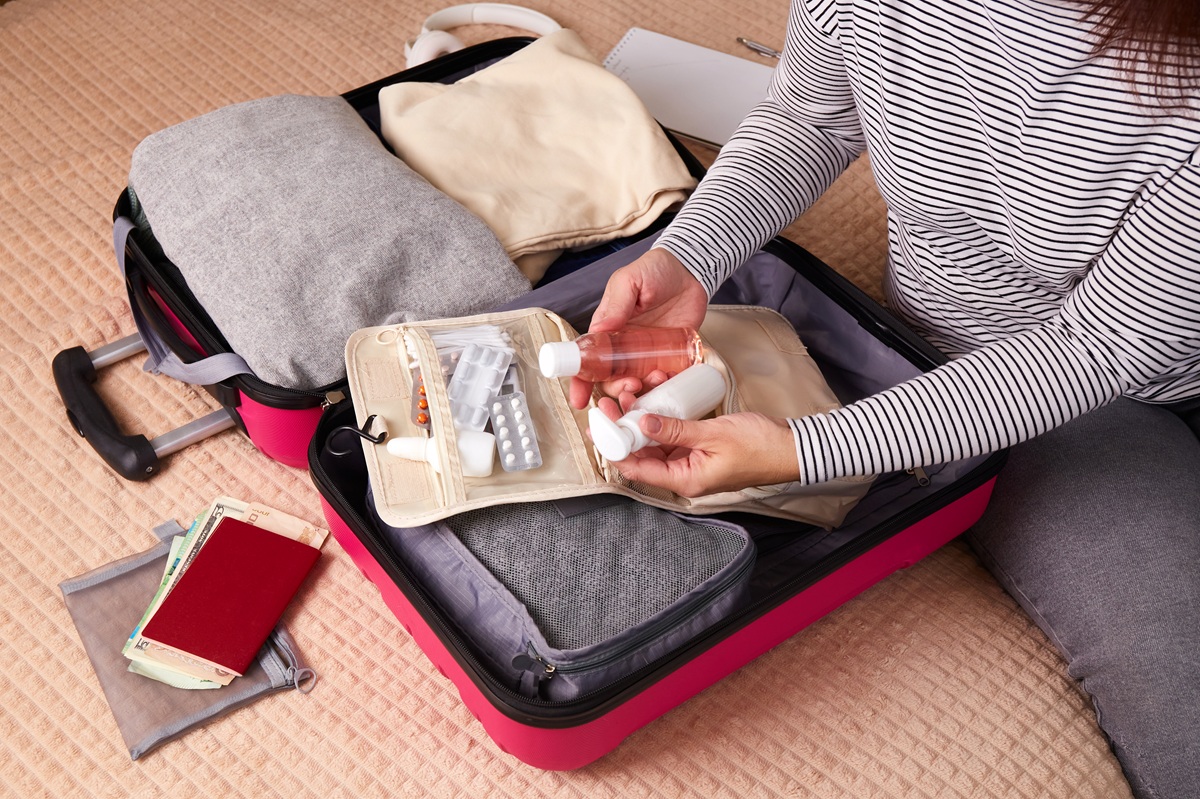
At Vista at Simi Valley, we recognize how vital and life-changing an assisted living move is for an older adult. Even after the senior and family have found and toured their preferred community, deciding what to bring to assisted living can feel overwhelming.
Packing from the first box to the last can feel like a big challenge. It’s not just about downsizing; it’s about creating a new space that feels warm, welcoming, and more like a second home. Families often wonder how to make the new space feel familiar and reassuring for their loved one.
The key for them is to pack a thoughtful mix of familiar comforts, practical clothing, and daily medical essentials. Even if they don’t need it right now, they can consider certain memory care essentials, as they may be required later if care needs change.
To help families and concerned loved ones plan for their assisted living move-in, here’s a guide to an assisted living packing list. It covers the full packing process, including how to pack room by room. We’ll also cover a move-in checklist to help a senior set up the new space and make it feel more like home.
Start Here: What The Community Already Provides
Before creating an assisted living packing list, seniors and families need to know what the community already provides. Knowing what’s already available would make packing, downsizing, and unpacking much easier. This would also make it easier for them to finalize a list of possessions they need to let go of. While leaving things behind may feel like leaving memories behind, actually, it would allow them to create space for something new.
Here’s a list of the things a community provides to all its residents:
Room And Safety Basics
- Bed and Mattress: A standard bed frame and mattress.
- Window Coverings: Blinds or curtains on the windows.
- Bath Features: Grab bars in the shower and near the toilet.
- Emergency Systems: Call buttons or pull cords in the room.
Care And Daily Services
- Utilities: Heat, electricity, water, and trash removal.
- Meals: Three daily meals plus snacks in a dining room.
- Housekeeping: Weekly room cleaning and linen washing.
- Staff Support: Nurses or aides on duty at all times.
The Room-By-Room Packing Checklist

It’s easy to feel lost and overwhelmed when you try to pack the whole house instead of going room by room. Focus on balancing comfort and safety as you begin a new chapter in your life. It’s up to you which room you choose first to begin the packing process.
Ask family members for help to keep the packing process as smooth and seamless as possible. Be easy on yourself, and take the time it takes to complete the whole packing process. Remember, you are keeping years of belongings with you. Deciding what to keep, discard, or donate may take longer than expected. Remember, rushing can make things worse. So, stay calm and move through every room strategically.
Bedroom And Clothing (With Quantities)
Moving to assisted living means getting a new place to live. The bedroom’s dimensions would be different from your current home’s. You will be embracing a new lifestyle that requires you to plan the bedroom and clothing essentials.
For clothing and bedroom essentials, pack 7 to 10 days of casual outfits, 2 weeks of undergarments to cover laundry cycles, 2 pairs of comfortable shoes with non-slip soles, essential bedding, and a few familiar bedside items to make the space feel like home.
Here is a plan you can follow:
Bedroom Furniture & Linens
- Bedding: 2 sets of sheets, pillowcases, and mattress pads
- Blankets: 1 to 2 comforters or bedspreads
- Pillows: 2 to 4 comfortable pillows
- Furniture: 1 small nightstand, 1 small dresser or chest of drawers (measure the room first)
- Lighting: 1 bedside reading lamp
- Decor: Familiar framed family photos and a few meaningful mementos
- Clock: 1 simple bedside alarm clock
- Safety: 1 plug-in nightlight for safe walking paths
Clothing & Quantities
- Everyday outfits: 7 to 10 comfortable, easy-to-put-on casual outfits (prefer pull-on pants or elastic waistbands)
- Nicer outfits: 2 to 3 nicer sets for family visits, holidays, or group dining events
- Sleepwear: 3 to 4 sets of pajamas or nightgowns and 1 warm bathrobe
- Undergarments: 10 to 14 pairs of underwear (pack extra as laundry can occasionally misplace items)
- Socks: 10 to 14 pairs of comfortable socks
- Footwear: 2 pairs of supportive everyday shoes and 1 pair of sturdy non-slip indoor slippers
- Seasonal layers: 2 light cardigans or sweaters for air-conditioned indoor areas and 1 good outdoor coat or jacket
- Hangers: 15 to 20 sturdy clothing hangers
Bathroom And Personal Care
Packing for bathroom and personal care during an assisted living move means focusing on everyday hygiene essentials, familiar comfort items, and critical safety gear. Keeping these items accessible in a separate first-night bag, rather than deep in the moving truck, makes it easier to unpack later.
Here are the essentials you need to pack:
Toiletries & Daily Hygiene
- Shampoo and conditioner
- Body wash, bar soap, and a soap dish
- Toothbrush, toothpaste, and a toothbrush holder
- Deodorant
- Body and face lotion
- Shaving supplies or an electric razor
Grooming & Personal Care
- Hairbrush or comb
- Nail clippers or an emery board
- Makeup or personal styling items
- Denture care products (if needed)
Bathroom Linens & Safety
- Bath towels, hand towels, and washcloths (familiar textures feel best)
- Non-slip bath mat or shower rug (crucial for fall prevention)
- Shower curtain and rings (if not provided by the facility)
- Small bathroom wastebasket
Sensory & Medical Aids
- Eyeglasses, backup glasses, and cleaning wipes
- Hearing aids, extra batteries, or charging base
Kitchenette, Decor, And Comfort Items
Focus on a few vital kitchenette items, familiar wall decor, and cozy comfort objects to make the new apartment feel like home. Always prioritize items that fit safely without cluttering walkways.
Kitchenette Essentials
- Drinkware & Dishware: 2-4 favorite coffee mugs, a few plates, bowls, and a basic set of silverware.
- Small Appliances: A small electric kettle or coffee maker (check the community rules first)
- Conveniences: A small snack storage container and a few dish towels.
Decor Items
- Framed Photos: 5-10 familiar framed pictures of family, friends, and pets to make the walls cozy.
- Familiar Artwork: A cherished painting or meaningful wall decor.
- Door Wreath: A wreath from the previous home or nameplate for the outside entry door to help identify the room.
Comfort & Personal Items
- Soft Bedding: A favorite quilt, comforting pillows, and a cozy throw blanket.
- Warm Lighting: A small bedside lamp to encourage a homey atmosphere.
- Entertainment & Hobbies: An e-reader, tablet, books, or a small basket for knitting or puzzles.
Documents, Medications, And Tech To Carry With You
Moving to assisted living isn’t like packing for a vacation. You are moving in after choosing it as your new home. While the lifestyle may vary, your daily routines, especially the medication regimen, will remain the same. On move-in day, staff may ask for a physical ID to verify the details they obtained earlier. So, you’ll need to bring certain essential documents. Also, bring tech essentials like a phone and charger, as you’ll need them every day. It’s best to keep all these items in a separate secure bag rather than packing them in moving boxes.
Here are the essential legal documents, medications, and tech you need to carry with you:
Essential Documents
- Government ID: Driver’s license or state ID card.
- Insurance Cards: Medicare, Medicaid, and supplemental insurance cards.
- Legal Papers: Power of attorney, living will, and advance directives.
- Financial Info: Bank contacts and recent billing details.
Medications
- Current Prescriptions: All active medicines in their original pharmacy containers.
- Medication List: A printed list of dosages and schedules.
- Medical Supplies: Small items like blood glucose monitors or inhalers.
Technology
- Communication: A smartphone or simple mobile phone with a charger.
- Entertainment: Tablet or e-reader with pre-downloaded books or apps.
- Audio/Visual: Headphones or earbuds for private listening.
What To Leave Behind (And Why)
Creating a tailored life experience in assisted living means being decisive about what to bring and what not to. That being said, you should know what you should not bring to assisted living.
Here are the items the senior should not bring to the community and why:
- Oversized Furniture: Don’t bring large dining tables, massive armoires, or extra seating, as senior apartments have limited space and these items can block walking paths.
- Irreplaceable Valuables: Leave expensive jewelry, large sums of cash, and priceless family heirlooms at home.
- Clutter And Excess Duplicates: Don’t bring extra sets of kitchenware, redundant small appliances, or overflowing wardrobes, as they overcrowd the compact storage areas.
- Safety Hazards: Leave behind scatter rugs, extension cords, or chairs on rolling casters because these items create major tripping and fall risks.
- Prohibited Appliances: Don’t bring any unapproved appliance that goes against the community’s policy.
Making It Feel Like Home In The First 48 Hours

How to make an assisted living apartment feel like home: This is probably the most common question seniors have when planning for move-in day. Instead of overcomplicating the process, they can focus on a few fundamentals.
Here are some simple steps they can follow to make their new space feel like home in the first 48 hours:
- Set up your favorite sheets and blankets to help the room smell and feel familiar.
- Use a familiar bathrobe and slippers for morning and evening routines.
- Keep framed photos of family, friends, and pets on the nightstand.
- Spend some time in your favorite armchair.
- Use a familiar mug or water cup for daily drinks.
- Keep a few favorite books or magazines handy on the table.
- Watch familiar TV shows or tune to a radio station you used to listen to at home.
FAQ
- What should you pack for a move to assisted living?
The senior should pack core essentials, like current medications, legal identification, comfortable everyday clothing for all seasons, favorite furniture, family photos, and basic personal toiletries.
- How much clothing should a senior bring?
As a general rule of thumb, a senior moving to assisted living should bring about 7 to 14 days’ worth of clothing. This provides enough options between scheduled facility laundry days while preventing the small apartment closet from becoming overcrowded.
- What items are typically not allowed?
Items that pose fire or safety risks, oversized furnishings, and unapproved heavy appliances are typically prohibited. Communities restrict these objects to safeguard residents, prevent falls, and keep living spaces accessible for walkers or wheelchairs.
- How do we make the apartment feel like home?
The key to making the apartment feel like home is to bring familiar items like a favorite armchair, cherished family photos, and personal bedding. The senior must focus on recreating daily routines, arranging familiar sentimental decor, and ensuring the layout remains safe, accessible, and welcoming for visitors.
- What do communities provide so we don’t duplicate?
Assisted living communities centralize shared services so residents don’t need to buy, maintain, or duplicate individual household items, meals, and care resources. This approach replaces individual upkeep with shared, community-provided infrastructure.
Make A Confident Assisted Living Move With Vista at Simi Valley
At Vista at Simi Valley, we understand that planning an assisted living move is like preparing for a new chapter of life. What furniture fits a senior apartment? What about personalizing an assisted living apartment? And what items aren’t allowed in assisted living? The information above covers what to consider to help seniors and their families plan the move.
Families seeking a reliable senior care option for their loved one can contact us at Vista at Simi Valley. With both assisted living and memory care options available, we promote a continuum of care for our residents, supporting their long-term well-being in all aspects. We know how overwhelming it can feel to move to a new place and begin a new chapter of life. So we support our residents as they begin their new chapter with confidence in their overall well-being.
To learn more about our care plans and available accommodations, check out our floor plans and choose the one that best fits your needs and lifestyle preferences.