
At Vista at Simi Valley, we understand how important it is for individuals living with memory challenges such as dementia and Alzheimer’s to manage ongoing cognitive changes. As these conditions progress, new challenges arise each day. Early symptoms often include memory loss, communication difficulties, and impaired judgment, followed by changes in visual-spatial skills. Each stage presents new hurdles, making memory care services especially important.
Memory care supports cognitive health by providing structured routines, specialized activities, and trained staff. Engaging in activities such as music, games, and therapy, along with support from professional, compassionate caregivers, helps reduce anxiety, stimulate the brain, and support a more meaningful and fulfilling life. Below, we explore how memory care promotes cognitive health.
Structured Routines & Familiarity
Cognitive decline caused by dementia affects memory, attention, language, problem-solving, and executive functions such as planning and judgment. These changes can make daily tasks more difficult than those associated with typical aging. As a result, individuals often struggle to maintain consistent daily routines.
Memory care communities provide structure and consistency through thoughtfully planned daily schedules. Based on each resident’s needs and preferences, an individualized care plan is created that outlines routines for meals, activities, and rest. Following predictable routines helps residents feel calm, comfortable, and supported. Familiarity promotes stability and supports a healthier, more fulfilling daily life.
Cognitive Stimulation
Cognitive stimulation plays a key role in supporting remaining cognitive abilities and promoting overall well-being for individuals with memory loss. Memory care communities offer personalized activities designed to engage cognitive skills and foster purpose.
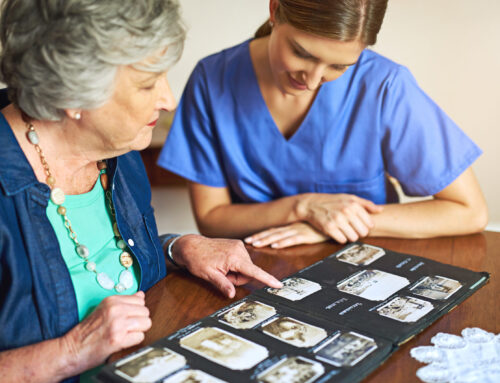
Activities may include puzzles, music, art, and reminiscence therapy, all of which support memory, communication, and problem-solving. Residents may also participate in simple board games, reading, storytelling, sensory activities such as gardening or baking, and gentle physical movement like chair yoga or walking. These experiences provide meaningful mental and social engagement while supporting dignity and quality of life.
Specialized Staff
Memory care staff receive specialized training beyond that of general senior living caregivers. They are equipped to provide both medical and non-medical support tailored to the needs of individuals living with dementia.
Staff training includes medication management, emergency response, and understanding disease progression. Care is delivered with compassion, professionalism, and attention to individual needs. Through person-centered care, effective communication, and thoughtfully designed activities such as sensory engagement and music therapy, staff help support cognitive health and overall well-being.
Personalized Care
Personalized care plans are a cornerstone of memory care and play an important role in supporting cognitive health. These plans are built around person-centered care and focus on each resident’s overall well-being.
To create an effective plan, caregivers conduct thorough assessments of medical history, preferences, and cognitive abilities. Each care plan serves as a comprehensive strategy that includes daily routines, cognitive and social stimulation, and a safe environment, while supporting dignity and independence.
Social & Emotional Wellness
Memory care communities also prioritize social and emotional well-being as part of a holistic approach to care. Residents are encouraged to connect with peers through group activities, art programs, gardening, and pet therapy.
Social engagement helps reduce feelings of isolation and depression while keeping residents mentally active. Building meaningful relationships through shared experiences plays an important role in enhancing quality of life.
Safe Environment
A safe and supportive environment is central to memory care. Communities are thoughtfully designed to reduce risks, prevent wandering, and promote a sense of calm and belonging.
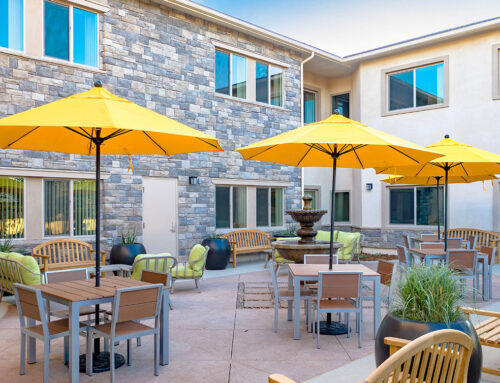
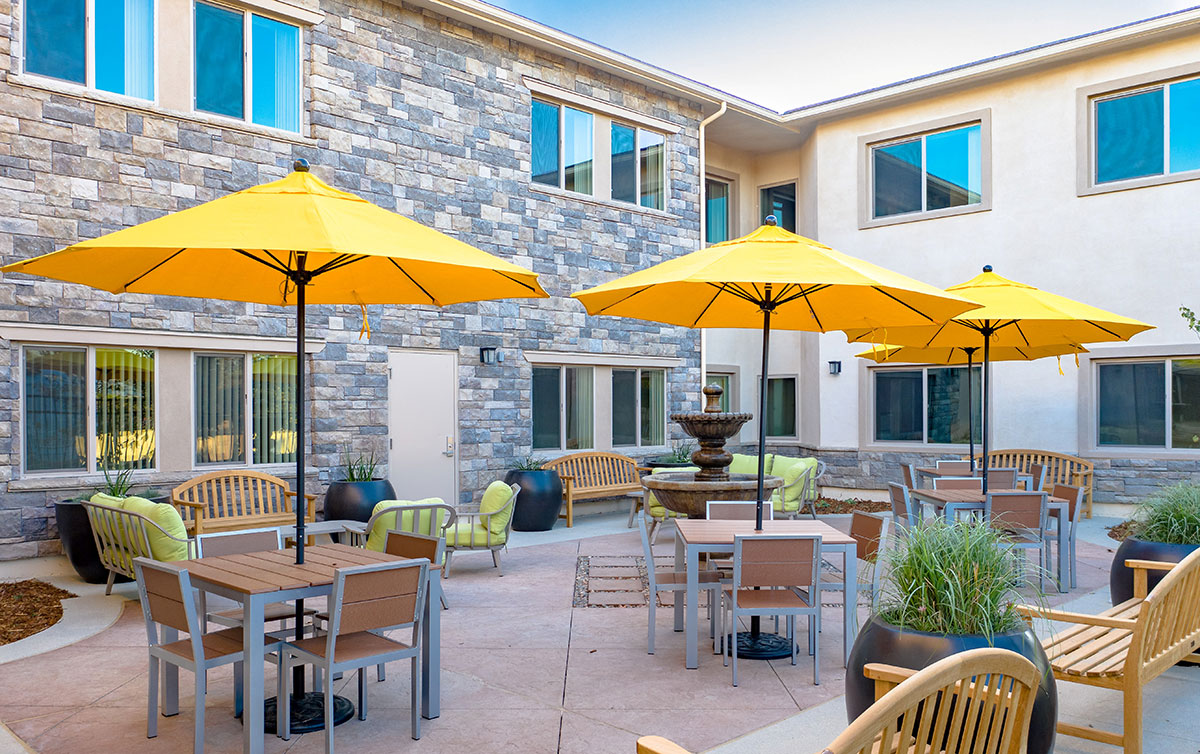
Safety features may include secured exits, wander-prevention systems, enclosed outdoor spaces, grab bars, non-slip flooring, and adequate lighting. Technology such as door alarms and emergency call systems further supports resident safety and peace of mind.
Access Expert Dementia And Alzheimer’s Care At Vista at Simi Valley
At Vista at Simi Valley, we understand how challenging life can become for individuals living with dementia and Alzheimer’s. These conditions affect many aspects of daily life, including memory, routines, and independence.
Moving to a secure memory care community can provide meaningful support. Through specialized staff, structured routines, engaging activities, and personalized care plans, residents receive the support they need to promote cognitive health and overall well-being.
Those seeking a compassionate and reliable memory care community are encouraged to contact us at Vista at Simi Valley. Our community is designed to support holistic wellness by addressing cognitive needs while prioritizing dignity, comfort, and quality of life.